September 30, 2026
Pet Surgery at prairievilleanimalhospital.com: Aftercare Instructions
By @titusfhmx657
The moment a pet leaves the surgical suite, the work of healing begins for both animal and owner. Aftercare is not a single instruction sheet handed to you at discharge; it’s a practical, day by day plan built from years of clinical experience, a plan that balances comfort, safety, and healing. Prairieville Animal Hospital has long prioritized clear, compassionate guidance because the simplest choices after surgery—kept clean, monitored, and timely—translate into fewer setbacks and quicker recoveries.
From the first hour to the first week and beyond, aftercare rests on predictable routines. The goal is steady, pain-controlled movement, clean wounds, and a steady return to normal activity without overloading joints or sutures. Below you’ll find a grounded, evidence-informed guide drawn from real-world practice in veterinary clinics like prairievilleanimalhospital.com. It aims to translate medical steps into practical, doable actions in the home.

Recovery starts in the car ride home. A quiet, comfortable environment helps reduce stress as the anesthesia wears off. If your pet is drowsy or wobbly, keep them in a confined space where they cannot jump from furniture or stairs. A soft bed, moderate temperature, and minimal handling during the first hours after surgery set the tone for the days that follow. Many pets become more alert within three to six hours; others take longer, especially small dogs, elderly animals, or those with longer anesthetic recoveries. The key is patience and gentle observation. If you notice persistent vomiting, swelling, or a marked change in breathing once home, call the clinic right away. Pain control is a core component of successful recovery. The veterinary team often prescribes a short course of analgesics, sometimes with anti-inflammatory medicine. It’s critical to follow the dose and schedule exactly, using the same measuring device for every administration. When in doubt about timing or dose, reach out to prairievilleanimalhospital.com for guidance.
The incision area is the central focus for the first week. The bedrock of aftercare is keeping the wound clean and protected, preventing licking, and watching for signs that something isn’t healing as expected. Sutures, staples, or skin glue require careful monitoring. It’s common to see minor redness around the incision as healing begins, but swelling that worsens or discharge that is thick, foul-smelling, or colored should trigger a call to the veterinary team. A clean, dry environment supports healing. If you are unsure about how to manage moisture from bathing or if the incision is in a location that sees more movement than others, talk to the clinic for how to adapt your routine. The veterinary team has likely provided a specific timeline for when your pet may return to normal activities, and it’s important to adhere to that guidance. Early on, activity is typically restricted; as healing progresses, gradual reintroduction of gentle exercise is often recommended. The pace depends on the procedure and the animal’s response to recovery, but patience remains essential. In many cases, two or three short leash walks per day are appropriate, with the duration adjusted to comfort and the surgeon’s instructions. Exercise overextension remains a common cause of reopening a wound, so treat the reintroduction of activity as a controlled experiment rather than a free run in the yard.
In the following sections you’ll find a grounded approach to aftercare designed to reduce worry and maximize outcomes. The guidance reflects years of practical experience in pet clinics, where the difference between a smooth recovery and a stumble often comes down to routine and timely communication.
A day one plan: the home environment, analgesia, and wound management The day of surgery marks the transition from hospital care to home care. For many pets, the most important move happens in the first 24 hours. The home environment should mirror a veterinary discharge: quiet, small meals available, access to water, a clean crate or bed, and easy access to a place where the pet can rest undisturbed. If your pet is typically an enthusiastic eater, you may notice a temporary lull in appetite. That is normal after anesthesia. A light, easily digestible meal offered in small portions can entice eating, but if there is no interest after 24 hours, contact the clinic. Dehydration is a risk after surgery, particularly if vomiting has occurred or if medications are involved. Ensure fresh water is available at all times and offer small sips if your pet is reluctant to drink. If your pet is underweight or has a history of GI upset, your veterinarian may advise specific food types or timing. The goal remains simple: keep the pet comfortable, hydrated, and minimally stressed.
Pain management often surprises clients with its precision. The clinic plans analgesia with a clear start and end date tied to the expected healing timeline. A typical pattern includes giving the first dose as directed immediately after discharge, followed by a schedule that maintains consistent relief. Do not skip doses even on days when the pet seems more comfortable; pain control is about steady, not episodic relief. If you observe signs of pain, such as restlessness, guarding the incision, or a change in posture, contact the clinic for dosing adjustments. In some cases, a short course of anti-inflammatory medication may be added, balancing pain relief with potential side effects. The decision is not made in isolation; it’s a conversation with your veterinarian, based on the procedure and the patient’s overall health.

Wound care in the first 24 to 48 hours focuses on keeping things clean and dry. Some incisions are protected with a simple surgical bandage, while others require a protective collar to deter licking. If a cone or other barrier is prescribed, ensure it fits properly and does not hinder breathing. When you remove bandages for inspection, wash your hands first and look for redness, swelling, or discharge. A small amount of clear fluid can be normal, but anything more persistent or colored should be flagged. If your pet is restless, gentle assistance with repositioning or back-scratching can help ease tension around the incision. Avoid applying antiseptics or topical medications unless they have been prescribed. Some solutions can interfere with healing or irritate the skin if used incorrectly.
Nutrition in the first days is a balancing act between appetite and stomach sensitivity. It is common for pets to refuse a full bowl right away. Offering a smaller, more frequent feedings pattern can ease the transition back to normal meals. In dogs, a bland diet such as a small portion of boiled chicken and rice is a traditional, practical option, while cats may respond to a small amount of their regular food alongside a digestive-friendly option recommended by the clinic. If vomiting occurs more than once or two times in the first 24 hours, contact the clinic. Persistent vomiting is not a normal reaction and may indicate an underlying issue that needs prompt attention. Crate rest or a quiet space is a reliable way to prevent overexertion during this period. It is tempting to resume activity quickly, especially after a hernia repair or a routine spay or neuter, but the risk of reopening a wound holds steady during the first week.
A longer arc: monitoring, activity progression, and red flags The weeks after surgery carry their own rhythm. For most patients, the first week is a period of cautious recovery, while the second week often brings more visible signs of healing and a gradual return to normal activity. It is not uncommon for pets to experience some stiffness after orthopedic procedures or to show less interest in play for a few days. This is typically normal, provided the animal remains comfortable on movement and the incision continues to heal without complication. You should maintain a consistent check-in pattern with prairievilleanimalhospital.com, especially if your pet has a history of wound healing delays or if you are managing a more complex surgery.
One critical area involves monitoring for signs of infection or wound dehiscence. Changes that require urgent attention include fever, persistent discharge, foul odor, increasing swelling around the incision, or a sudden jump of pain. Also watch for sudden, severe lethargy, vomiting that persists beyond 24 hours, or refusal to drink. These are red flags indicating the need for a check-in, assessment, or possibly an in-person recheck. In some cases, the clinic may recommend a recheck appointment to confirm healing progress or adjust medications. Staying proactive with these signs prevents minor issues from becoming larger problems. A careful eye and timely action are often what separates a smooth recovery from a setback.
Healing is not a linear process. There are daily variations in behavior, energy, and appetite that can be misread if you expect a steady march toward full recovery. In practice, I have found it useful to measure progress by two practical metrics: incision integrity and activity tolerance. If the incision remains clean and dry and the patient resumes short, pain-free activities without guarding the area, healing is advancing. It is equally important to note the animal’s appetite, hydration, and sleep patterns. A well-rested pet with a steady appetite is a reliable indicator that the body is healing as expected. If sleep patterns become abnormal, or there is a dramatic shift in activity, a recheck is wise even if the incision looks fine.
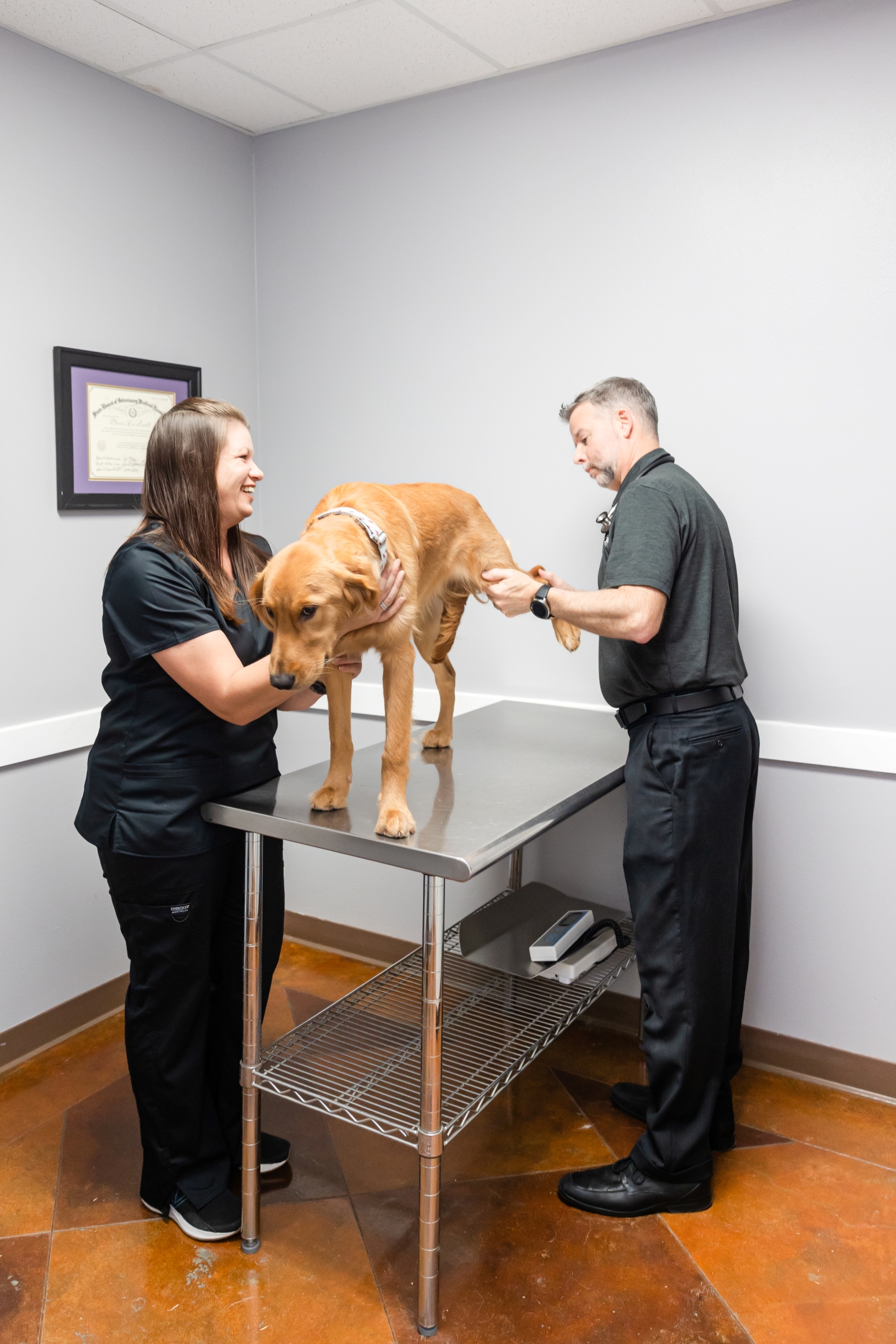
The social and environmental factors play a surprising role in recovery. A pet who feels safe and comfortable is more likely to heal efficiently. Senior pets and those with chronic conditions may benefit from longer rest periods or adjustments to pain management. Some owners prefer to schedule a routine around the pet’s natural energy cycles, planning short play sessions after medications are administered and energy levels peak. In households with multiple pets, separation during the initial days can reduce the risk of accidental biting or pawing at the incision. The goal is a calm, predictable home environment that supports healing rather than a bustling, high-stimulation setting.
Two practical checklists to anchor your aftercare 1) Postoperative care checklist for the first 5 days
- Monitor the incision daily for redness, swelling, drainage, or odor.
- Keep the wound clean and dry; avoid submerging the incision in water until cleared by the clinic.
- Administer medications on schedule, using the prescribed dosing device and record dosages in a small log.
- Restrict activity as advised, using a leash for any outdoor time and avoiding stairs if instructed.
- Contact the clinic with concerns about pain control, appetite changes, or signs of infection.
2) Red flags that require a call or visit
- Fever higher than 102 Fahrenheit (38.9 Celsius) or persistent lethargy.
- Incision that opens, increases in swelling, or discharge that is thick, colored, or foul smelling.
- Repeated vomiting or inability to keep fluids down for more than a few hours.
- Excessive panting, trouble breathing, or unusual coughing.
- Worsening wound pain despite analgesia or any sudden change in behavior.
A thought on long-term outcomes and living with a recovering pet Well-managed aftercare does not end with the removal of sutures or the removal of the cone. Recovery is a continuum, and the ultimate measure of success is a return to comfortable daily life without pain, with normal mobility restored to the greatest degree possible. For surgeries with longer healing curves, such as orthopedic repairs or abdominal procedures requiring careful balance of rest and gradual reintroduction of activity, the clinic often provides a structured recovery plan. This plan may include gentle range-of-motion exercises, controlled leash walks, and progressive strengthening activities. It is important to avoid guessing about these steps. If there is any doubt about when to progress or what activities are appropriate, a quick call to prairievilleanimalhospital.com clarifies the plan and helps maintain consistency across your home routine.
When to schedule follow-up and what to expect A post-surgical check is typically scheduled within 7 to 14 days, depending on the procedure and the patient’s healing trajectory. A physical examination may accompany this visit, allowing the clinician to assess incisions, abdominal healing, or orthopedic alignment. For some surgeries, a simple photo update from home, showing the incision site, can help the clinic monitor progress between visits. The follow-up also provides an opportunity to adjust medications, discuss changes in appetite or energy, and confirm that the patient is regaining mobility as expected. The relationship between you and the veterinary team is built on clear communication, and the clinic welcomes questions at any stage of recovery.
A few practical notes from the clinic floor Over the years, I have learned that the success of aftercare hinges on predictable routines that fit into the rhythms of daily life. Clients who keep a single, reliable routine—meal times, medication reminders, consistent checking of the incision—tend to experience fewer concerns and better outcomes. Small details matter: labeling medicines clearly, using a stable crate to limit movement at night, and ensuring a quiet space away from curious toddlers or nibbling pets. The more predictable the environment, the smoother the healing. In practice, I have seen patients who thrive on a fairly simple protocol: a tight monitor for the first 72 hours, followed by a gentle ramp-up in activity and a careful reintroduction of exercise. The difference is not found in dramatic interventions but in steady, attentive care.
If you are reading this from the vantage point of a Prairieville Animal Hospital client, you already know how much care goes into planning a surgery. The team get more info is deliberate about selecting the right procedure for the patient, minimizing anesthesia exposure, and preparing a realistic aftercare plan. The same care translates into the home, where a patient’s environment is the second line of defense after the surgeon’s skill. The practical aim is straightforward: keep your pet comfortable, safe, and steadily improving toward a return to familiar routines.
A note on dental and soft tissue procedures Pet dental care and soft tissue surgeries share a common thread with other procedures: the healing timeline is influenced by the area involved. Dental procedures require attention to oral hygiene and edible soft foods as the mouth heals. The risk of licking or chewing on a painful site can be high, so protective strategies—ranging from a protective collar to a short course of dental-specific pain relief—are tailored to each patient. In soft tissue surgeries, the incision may be more prone to stress from coughing, sneezing, or intense movement. The clinic may recommend a longer period of restricted activity or a different schedule for analgesia. The underlying principle remains the same: anticipate, protect, and monitor.
A concluding note on the practical reality of aftercare The arc of recovery is rarely dramatic. It unfolds through small, consistent actions performed at home and reinforced by professional guidance. That is where prairievilleanimalhospital.com shines: it couples clear instructions with an open line of communication. If there is anything uncertain about how your pet seemed to respond to a medication, whether a wound is healing in the expected timeframe, or when to progress to the next stage of activity, the clinic stands ready to help. The goal is not to rush healing but to honor the body’s pace while ensuring comfort and safety every day.
In the end, the success of post-surgical care is measured not by the absence of worry but by the pet’s return to normal life with minimal discomfort. The most reliable path to this outcome is a well-structured plan, practiced routines at home, and timely access to professional advice. When you trust the process and maintain open communication with prairievilleanimalhospital.com, you’re giving your pet the best chance to heal well and return to the activities they love.
❧