September 30, 2026
Spay and Neuter at prairievilleanimalhospital.com: Preparing Your Pet
By @titusfhmx657
Choosing to spay or neuter a beloved pet is a decision rooted in long-term health, behavior, and welfare. At Prairieville Animal Hospital, the approach blends medical rigor with practical, compassionate care. Preparing your animal for surgery starts long before you arrive for the procedure and continues well into the recovery period. The path from initial consultation to full post operative recovery is a series of small, manageable steps, each chosen to minimize risk and maximize comfort.
This article walks through what you can expect at prairievilleanimalhospital.com, how the clinic frames spay and neuter as a routine part of pet wellness, and how you can prepare your pet and your household for a smooth experience. The goal is clarity you can act on, not hype or hesitation. You deserve to feel confident about every choice you make for your companion.
Why spay and neuter matters, beyond population control
Spaying and neutering do more than prevent unplanned litters. They are preventive health measures with tangible benefits. In many dogs and cats, spay or neuter reduces the risk of reproductive cancers, lowers incidences of certain infectious diseases, and helps manage behaviors that lead to injuries or unwanted pregnancies. For some pets, early or properly timed procedures can improve long term quality of life, from reduced heat cycles to calmer, more predictable temperament patterns.
At Prairieville Animal Hospital, your pet’s safety is the guiding principle. The team emphasizes evidence based anesthesia protocols, meticulous surgical technique, and tailored post operative plans. The clinic’s emphasis on preventive care—through pet wellness exams, vaccinations for pets, and ongoing dental care—extends into surgical readiness. A sound pre operative plan lowers risk and translates into smoother recoveries. You bring the life and routine of your pet; the clinic brings medical precision and a caring touch.
A practical lens on timing and suitability
Timing matters because growth, recovery capacity, and anesthesia risk shift with age and health. In general, kittens and puppies reach certain developmental milestones that align well with spay or neuter, but the veterinary team evaluates each patient individually. For adult pets, a pre operative exam helps identify underlying conditions that require attention before anesthesia. That exam often happens during pet wellness exams at Prairieville Animal Hospital, where the clinician can review vaccination history, parasite control status, dental health, and overall vitality.
The decision to proceed is a conversation grounded in facts. It’s not simply about getting a pet through a procedure, but about aligning medical readiness with life stage, behavior, and the household’s schedule. The clinic favors transparency: you’ll know what to expect at every step, from the consent discussion to discharge instructions and follow up.
Before the procedure: what to expect in the weeks and days leading up to surgery
The prep work begins with a clear pre operative plan. A few weeks before the appointment, you typically provide medical history and confirm that vaccines are up to date. If your pet has an ongoing medical condition, the team may request tests or blood work to ensure anesthesia safety. In many cases, the clinic will schedule a brief pre operative evaluation to confirm weight, overall health, and any special considerations for medications.
During the pre op visit, you can expect a calm, focused discussion. The veterinarian explains the anesthesia plan, outlines pain management strategies, and reviews the expected timeline for discharge. If your pet has any specific sensitivities—environmental or dietary—the team will map these into the plan so you’re not surprised on the day of surgery. If you have questions about spay versus neuter timing, the veterinarian will share the rationale for the recommended schedule based on species, age, and health.
Diet and medication instructions form a part of the prep. Most clinics, including prairievilleanimalhospital.com, advise withholding food for a certain period before anesthesia to reduce the risk of vomiting or aspiration. Water is often allowed up to a shorter cutoff. You’ll receive exact guidance that reflects your pet’s health status. It is important to follow these instructions closely. Minor deviations can complicate anesthesia or recovery. If you’re unsure about any directive, call the clinic before proceeding.
Two broad themes shape the pre op stage: weight management and health optimization. Obesity can complicate anesthesia and slow recovery, so if your pet carries extra pounds, the veterinarian may adjust the anesthesia plan or suggest a brief weight management strategy around the time of surgery. If your pet has allergies or receives regular medications, you’ll be told how to administer them on the day of the procedure. Some medications may need to be paused; others can continue with specific timing.
What to bring to the day of admission
To make the admission process efficient and stress free, plan to bring a few items that help the team care for your pet and tailor the protocol to your household. You should expect the clinic to provide everything else necessary for the procedure.
- A current vaccination record and identification. The staff rely on this to confirm that your pet’s vaccines are current and to verify ownership.
- A list of medications, supplements, or vitamins your pet is taking. Even over the counter items can interact with anesthesia, so share every detail.
- A contact number where you can be reached during the procedure. Real time updates help you plan the day around the pet’s wellbeing.
- A familiar bed or blanket. A soft object known to your pet can ease stress and make the recovery space feel safer.
- Any special instructions you were given during the pre op visit. If you were told to slow down a certain dietary plan or to withhold food, bring a note of that guidance to the admission desk.
On the day of surgery, you’ll drop off boarding kennels prairieville la your pet at a predetermined time. The clinical team typically escorts you through the intake process, confirms the planned procedure, and answers last minute questions. The tone is practical rather than ceremonial: the aim is to establish trust, confirm consent, and ensure that all health information is up to date.
Surgery day: what happens in the operating room
Anesthesia is the keystone of a safe spay or neuter. Prairieville Animal Hospital uses contemporary anesthesia protocols tailored to age, species, and health. A meticulous approach to anesthesia—monitoring heart rate, oxygenation, temperature, and depth of anesthesia—reduces risk and supports a smoother recovery. Pain management begins before the first incision and continues into the post operative period. That emphasis on analgesia is not optional; it is central to patient comfort and recovery speed.
The surgical technique depends on whether the pet is a dog or a cat and on the specific surgical plan. In a standard spay, the veterinarian removes reproductive organs through a controlled incision. In neuter procedures, the testicles are removed through an incision or, in some cases, via a minimally invasive approach, depending on the patient and the surgeon’s assessment. The goal is a clean procedure, minimal tissue disruption, and robust pain relief. After surgery, your pet enters the recovery area where staff monitor breathing, temperature, and responsiveness as the anesthesia wears off. You’ll receive an updated timeline for discharge and explicit home care instructions.
A key part of the day is the post operative communication. You will know when to bring your pet home, what foods are appropriate, when to resume normal activities, and what signs would require a call to the clinic. You’ll also receive a plan for pain control at home, which often includes an analgesic medication with a dosing schedule. The team explains potential side effects—such as mild drowsiness, decreased appetite, or transient low energy—and what constitutes a red flag. The point is not to terrify you with worst case scenarios but to empower you to recognize when you need professional guidance.
Recovery and aftercare: turning the hospital care into home comfort
Recovery is where the real work begins. Anesthesia leaves the animal momentarily unsteady, so a quiet, controlled environment is essential. The home space should be free of hazards, with a comfortable bed and a room temperature that avoids extremes. The first 24 to 48 hours are typically the most critical, but much of the healing occurs over the ensuing week. Your pet’s behavior, appetite, and activity level are practical indicators of how the recovery is progressing.
For many pets, the most visible sign of healing is the incision site. It will be protected by a sutured layer that may dissolve on its own or require a protective plastic cone to prevent licking. The clinic will tailor the instructions to your pet’s surgical approach, but the underlying principles are consistent: minimize movement, monitor the incision for redness or discharge, and keep the area dry. If your pet tries to chew the bandage or the site, a protective cone or soft recovery collar can be invaluable in preventing reopening of the wound.
The balance between activity and rest is delicate. Short, gentle leash walks for dogs and limited play for cats are commonly recommended, gradually resuming normal activity as healing progresses. The timing of that progression depends on the individual, but you’ll receive a concrete plan from Prairieville Animal Hospital that you can follow with confidence. A steady routine supports appetite and mood, both of which contribute to a quicker return to normal energy levels.
A note on diet. It is not unusual for pets to have a temporary decrease in appetite after surgery. This is not inherently alarming if your pet remains hydrated and returns to a normal eating pattern within a day or two. If there is persistent reluctance to eat beyond 24 hours, or if you notice vomiting or diarrhea, contact the clinic rather than guessing at the cause. The team can advise on a gentle reintroduction of food or provide guidance about a suitable post operative diet.
Two practical lists to help with planning and care
What to bring for discharge and aftercare
- A documented pain management plan and any medications the pet will need at home
- A comfortable, quiet space in the home for rest during recovery
- A clean, soft bed that supports the body without causing pressure on the incision
- Food and water with a plan for when you should reintroduce meals
- A contact number for the clinic if you notice concerning symptoms or have questions
Postoperative care reminders no household should overlook
- Monitor the incision daily for swelling, redness, or discharge
- Prevent licking or chewing with a cone or alternative barrier
- Keep the activity level controlled and walks short and supervised
- Ensure consistent hydration and a gradual return to normal eating
- Watch for signs of pain, lethargy, vomiting, or diarrhea and call the clinic if any appear
The realities of post operative recovery are not a one size fits all matter. Each pet responds differently to anesthesia and surgery, and the team at prairievilleanimalhospital.com respects that individuality. You will be given explicit guidance tailored to your pet’s surgery type, age, and general health.
Vaccinations, wellness exams, and surgical planning: a seamless continuum
Spay and neuter sits within a broader continuum of care that Prairieville Animal Hospital emphasizes through pet wellness exams. These visits are not isolated check ins; they establish a health baseline and a trusted relationship with your veterinarian. Wellness exams are an opportunity to review vaccination status, parasite control, dental health, and the overall vitality of the animal. When scheduling a spay or neuter, this context matters because it informs anesthesia risk assessment and pain management planning.
The clinic’s approach to vaccines for pets, including schedules for kittens, puppies, and adult animals, intersects with surgical planning in meaningful ways. Immunization status often guides the timing of anesthesia and surgical readiness, and a healthy, up to date vaccination record is a source of reassurance for families. The hospital’s pet dental care program complements surgical readiness. Dental health affects systemic health in subtle but important ways, and compromised dental health can signal broader health concerns. A holistic view of the animal’s health—encompassing dental, vaccination, and systemic health—helps ensure that spay or neuter is not only safe but that the animal’s long term wellness trajectory is positive.
The practical realities of scheduling and accessibility are part of the care equation. The Prairieville Animal Hospital team understands that families balance work, school, and caregiving duties. The scheduling process is designed to be straightforward, with clear expectations about what happens on the day of admission, what the recovery process will look like, and how to reach the clinic with questions. The clinic’s online resources are a valuable tool for families who want to review pre operative instructions, dietary guidelines, and post operative care reminders ahead of time. If you are looking for a local veterinary clinic prairievilleanimalhospital.com is an accessible resource to begin planning and to confirm what services are available.

Cost considerations and informed choices
The financial side of spay and neuter is a practical reality that families must address. The cost varies by species, size, the complexity of the procedure, and the specific pain management plan chosen by the veterinary team. Prairieville Animal Hospital provides a transparent pricing framework and will discuss what is included in the quoted fee. The conversation often covers pre operative testing, the anesthesia plan, pain control, protective post operative equipment such as a cone, and the follow up care that may be necessary. It is common for clinics to offer tiered options to accommodate different household budgets while maintaining high safety standards. The team is prepared to explain any additional charges that might arise if there are unexpected findings during surgery or if extended monitoring is needed.
Edge cases and practical constraints
Every pet encounters a unique set of edge cases during preparation and recovery. Some animals require extra monitoring because of a pre existing medical condition, such as a heart murmur or respiratory sensitivity. The veterinarian may adjust anesthesia dosing or use alternative anesthetic agents tailored to the animal’s physiology. In rare cases, a pre operative screening might reveal an issue that changes the surgical plan. That is not a failure; it is a protective measure that improves outcomes. In these moments, the clinic’s transparency and willingness to explain options empower you to decide with confidence.
The post operative period can introduce unexpected household dynamics. A busy family schedule, other pets, or a young child in the home can influence how well the animal adheres to the recovery plan. The clinic anticipates these realities and offers practical guidance. For instance, if you live in a multi pet household, it may be wise to schedule recovery time in a quiet room where the patient is not overwhelmed by the presence of confounding stimuli. If you work outside the home, planning for a daily check in during the recovery window helps ensure you notice subtle changes quickly.
The role of trained staff in your pet’s journey
The value of a skilled surgical team rests on three pillars. First, there is the clinical competence to perform a safe and efficient spay or neuter. Second, there is the capacity to communicate clearly, explaining the rationale behind each decision and the meaning behind each instruction. Third, there is a commitment to compassionate care, ensuring the pet feels secure from intake through discharge. Prairieville Animal Hospital exemplifies these qualities. The team’s experience with a wide range of breeds and ages means you can expect a consistent standard of care that respects the animal’s individuality while maintaining strict safety protocols.
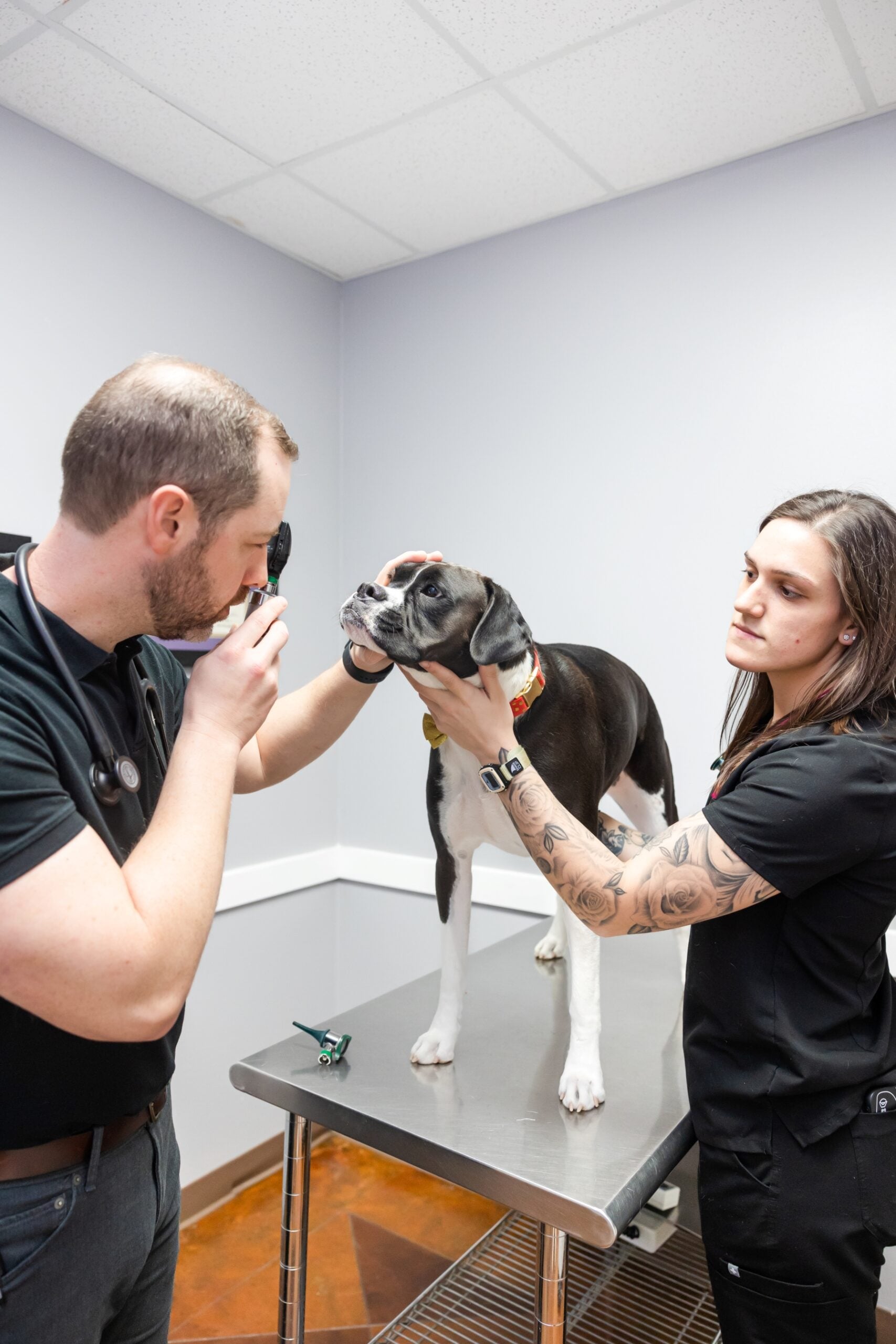
Above all, the relationship between you and the veterinary team matters. You do not need to feel you are navigating a difficult medical decision in isolation. The clinic invites questions at every stage, from the initial consult to the final post operative checkup. It is normal to wonder about the difference between spay and neuter, to ask about the expected recovery timeline, or to request additional resources on pain management. The goal is not to hurry you into a decision; it is to provide you with clear, reliable information so you can make choices aligned with your family’s values and your pet’s welfare.
Beyond the procedure: long term benefits and maintaining trust with your pet
Completion of the procedure marks the end of one chapter and the beginning of another. The long term benefits of spay and neuter extend beyond the immediate post operative period. With fewer litters and reduced risk of certain reproductive health concerns, the pet’s overall lifespan and life quality can improve. The benefits are most robust when paired with ongoing preventive care. Regular pet wellness exams, careful dental care, parasite prevention, and timely vaccinations all contribute to a robust, healthy life for your companion.
Trust grows when communication remains open. That trust is reinforced by predictable processes and reliable outcomes. The clinic’s transparency about risks, recovery timelines, and aftercare expectations helps families feel prepared rather than overwhelmed. You are part of a collaborative team with the veterinary professionals, and your observations about your pet’s mood, appetite, and energy are crucial data points that guide the ongoing care plan.
A practical perspective on the experience
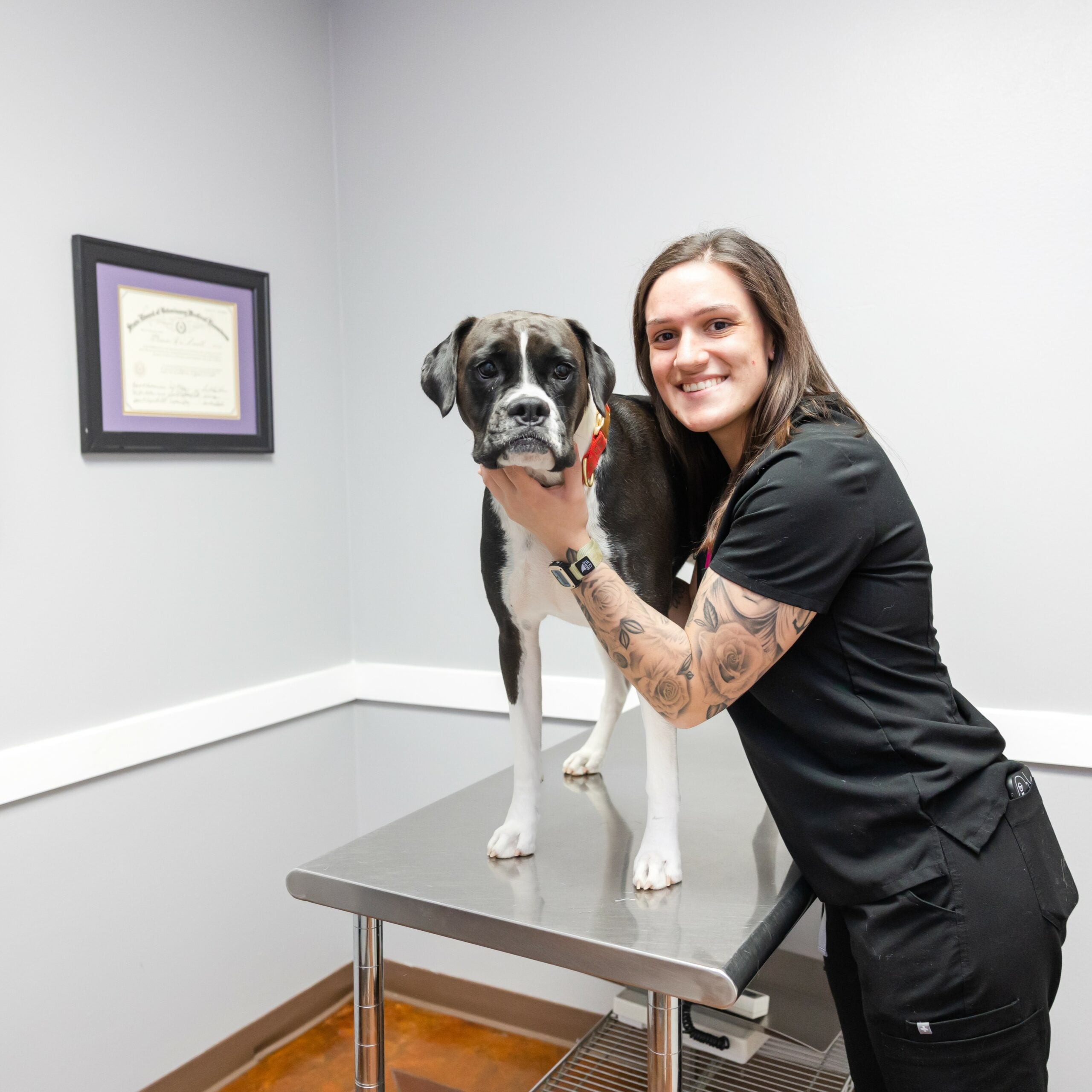
Spay and neuter are ordinary medical procedures, but they require meticulous planning and careful attention to detail. The practicalities—such as fasting guidelines, anesthesia safety, postoperative pain management, and gradual return to activity—are not abstract. They are the everyday work that makes the difference between a smooth, uneventful recovery and an uncomfortable or complicated one. Prairieville Animal Hospital translates those details into straightforward instructions and consistent expectations. The goal is not to complicate your life but to clarify what needs to happen and when.
If you are considering spay or neuter for your pet, the first step is an informed conversation with the veterinary team. This conversation involves your pet’s health history, the current vaccination status, and any concerns you might have about anesthesia or postoperative care. The clinic is prepared to walk you through the plan, answer your questions, and help you schedule a suitable time. By keeping communication clear and continuous, you create a shared foundation for care that benefits your pet long after the initial procedure.
A final note on expectations and readiness
Preparing for spay or neuter is less about a single moment and more about building a reliable, predictable care pathway. The steps—from pre operative assessment to discharge instructions and post operative home care—form a coherent system designed to optimize safety and comfort. The care philosophy at prairievilleanimalhospital.com centers on practical, evidence based medicine delivered with empathy. It recognizes the pet as a member of the family and treats the family with the same respect and attentiveness.
Whether you are a seasoned pet owner or new to animal care, you deserve a partner who can translate complex medical realities into actionable guidance. The process should feel manageable. It should also feel trustworthy, with clear expectations about what comes next. If you are scheduling a spay or neuter, or simply want to discuss how this procedure fits into your pet’s broader health plan, Prairieville Animal Hospital is a resource you can rely on for steady, experienced, and compassionate care. Your pet’s comfort, safety, and long term well being are the central priorities guiding every decision along the way.
❧